Market Education · Nov 27, 2026
What Makes Gold Prices Move? 7 Key Factors Every Trader Should Understand
Gold plays an important role in global financial markets. While some investors buy it for long-term growth, others trade it to find market opportunities. However, gold prices are influenced by several factors, including economic conditions, political events and global financial trends.
By Shenron Global · 6 min read
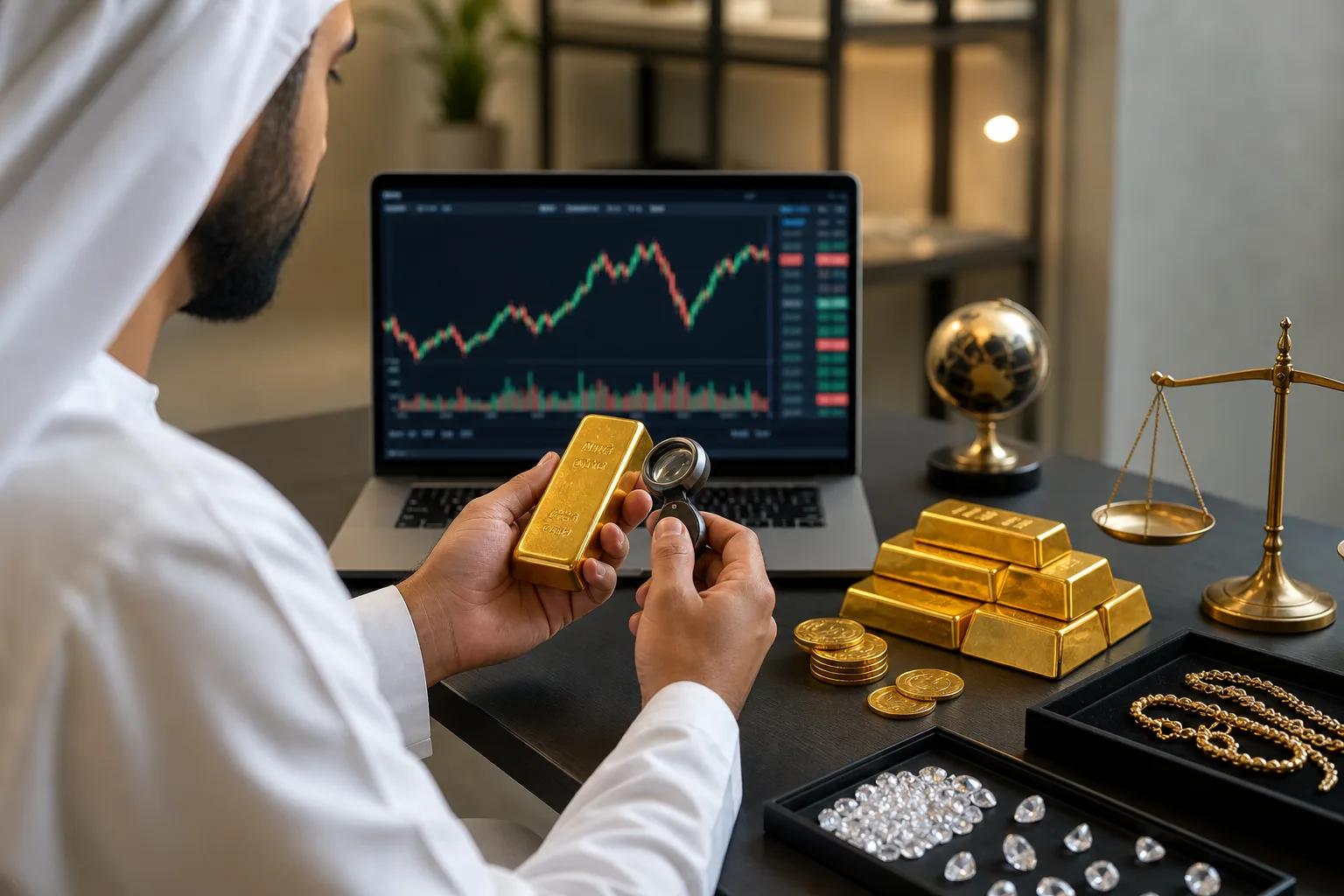
Understanding what makes gold prices move can help traders make better-informed decisions and understand why prices sometimes rise or fall within a short period.
For traders following the gold market, Shenron Global believes that understanding these market drivers is just as important as following daily price charts.
Let's explore seven major factors that influence gold prices.
1. The US Dollar and Its Relationship with Gold
The US dollar is one of the biggest influences on international gold prices. Gold is generally priced in US dollars, which means changes in the dollar's value can affect its price.
When the US dollar becomes stronger, gold can become more expensive for buyers using other currencies. This may reduce international demand and put pressure on gold prices.
On the other hand, when the dollar weakens, gold may become more affordable for international buyers, potentially supporting higher prices.
However, this relationship is not automatic. Other economic developments can sometimes cause gold and the US dollar to move in the same direction.
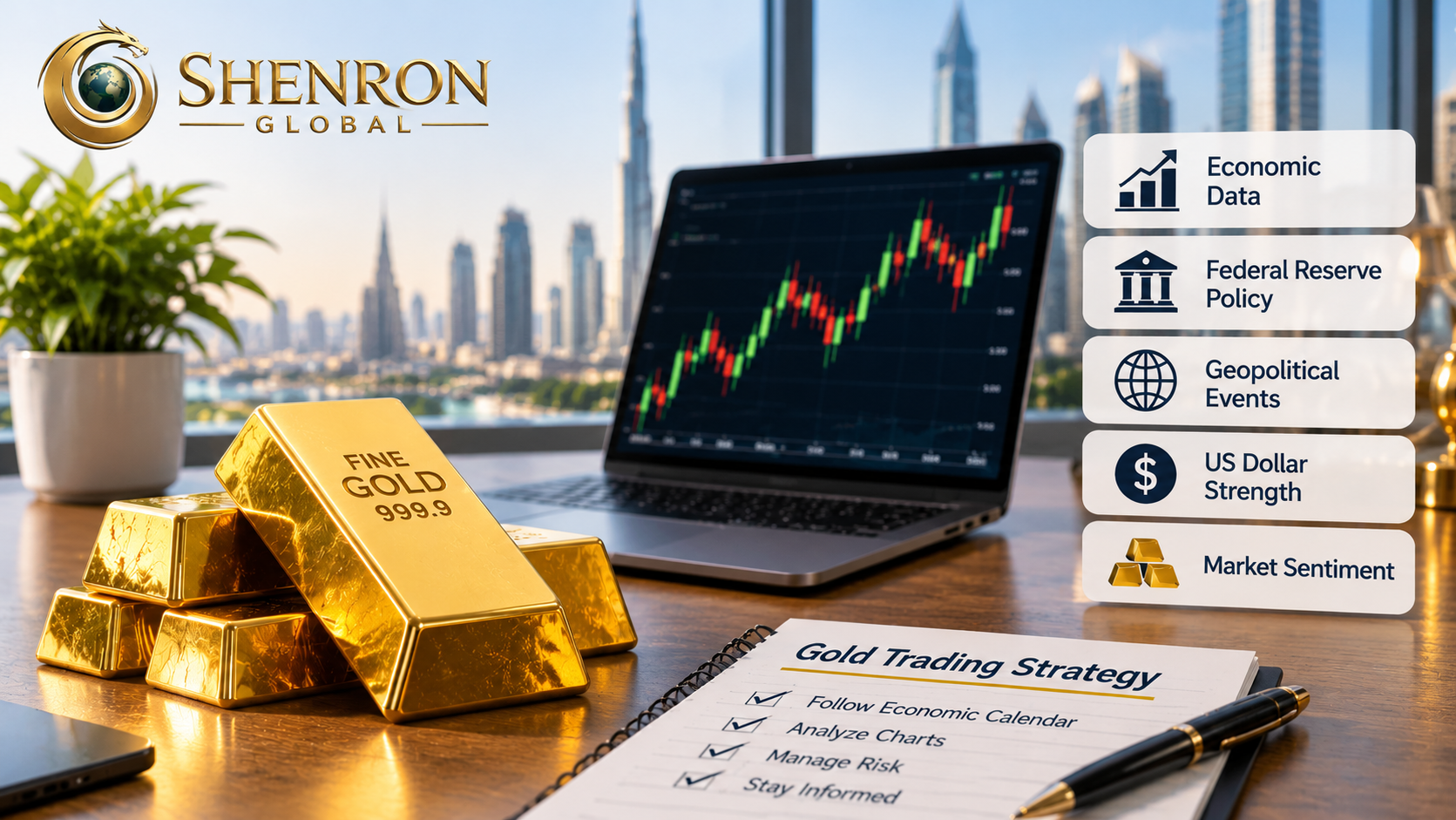
2. Interest Rates and Federal Reserve Decisions
Interest rates play an important role in gold market movements. Unlike savings accounts or government bonds, physical gold does not generate regular interest income.
When central banks, particularly the US Federal Reserve, increase interest rates, interest-bearing investments may become more attractive compared with gold. This can reduce demand for the precious metal.
When interest rates fall, holding gold may become relatively more attractive because the opportunity cost of owning it decreases.
Traders closely monitor Federal Reserve announcements because even expectations about future interest rate decisions can influence gold prices before an official announcement.
3. Inflation and Rising Living Costs
Inflation is another important factor that can influence gold prices. When the cost of everyday goods and services increases, people may become concerned about the purchasing power of their money.
Gold is often viewed as a store of value during inflationary periods. Some investors increase their gold holdings when they believe inflation could remain high for an extended period.
However, inflation does not always push gold prices higher. If inflation leads central banks to increase interest rates, the resulting strength in interest-bearing assets may put pressure on gold.
This is why traders should consider inflation figures alongside interest rate expectations rather than looking at inflation alone.
4. Global Political Tensions and Economic Uncertainty
Gold is commonly considered a safe-haven asset. During periods of political tension, military conflicts, financial instability or economic uncertainty, investors may move some of their money into gold.
For example, international conflicts or concerns about a global economic slowdown can increase uncertainty across financial markets. When investors become uncomfortable with riskier assets, demand for gold may increase.
This additional demand can support higher prices.
However, the reaction depends on the situation. If investors need cash urgently or the US dollar strengthens significantly, gold may still experience temporary declines.
5. Central Bank Gold Purchases
Central banks around the world hold gold as part of their foreign reserve assets. They may purchase gold to diversify their reserves, reduce dependence on individual currencies and strengthen financial stability.
When central banks increase their gold purchases, it can provide additional support to global demand.
Large purchases can also influence investor sentiment because they show continued institutional interest in the precious metal.
Traders following gold market trends should therefore pay attention to central bank buying and selling activities, as these can influence the market over longer periods.
6. Supply and Demand in the Gold Market
Like other commodities, gold prices are influenced by supply and demand.
Gold supply mainly comes from mining production and recycled gold. On the demand side, jewellery purchases, investment products, technology and central bank reserves all contribute to the market.
When demand increases faster than available supply, gold prices may move higher. If demand weakens or supply increases, prices may face downward pressure.
For example, strong jewellery demand during important buying seasons or increased investment interest can support gold prices.
Mining production also matters, although changes in mine supply usually happen gradually rather than overnight.
7. Economic Data and Market Expectations
Economic reports can create significant movement in gold prices, particularly when the actual results differ from market expectations.
Some important economic indicators that gold traders follow include:
US Non-Farm Payrolls (NFP): Provides information about employment conditions in the United States.
Consumer Price Index (CPI): Measures changes in consumer prices and helps traders understand inflation.
GDP Reports: Show whether an economy is expanding or slowing down.
Unemployment Data: Provides insights into labour market conditions.
Federal Reserve Statements: Offer clues about future monetary policy decisions.
For example, stronger-than-expected US economic data may increase expectations of higher interest rates, potentially putting pressure on gold.
Weaker economic figures may have the opposite effect, depending on how markets interpret the results.
This is why experienced traders do not simply look at whether economic data is positive or negative. They also consider what the market expected before the announcement.
Why Do Gold Prices Sometimes Change So Quickly?
Gold prices can move sharply when several market factors come together.
Imagine a situation where the US dollar weakens, inflation remains high and global economic uncertainty increases. These developments could encourage investors to increase their exposure to gold.
However, an unexpected announcement from the Federal Reserve or a sudden change in economic expectations could quickly reverse that movement.
This is why gold trading requires more than simply following price direction.
Traders should monitor economic calendars, important announcements, market sentiment and technical price levels before making trading decisions.
How Can Traders Follow Gold Price Movements?
Understanding market factors is a good starting point, but traders also need a structured approach to market analysis.
Here are a few useful practices:
Follow major US economic announcements and Federal Reserve updates.
Monitor the US Dollar Index to understand currency movements.
Study gold price charts to identify important support and resistance levels.
Pay attention to global news that could influence investor confidence.
Use proper risk management instead of relying entirely on market predictions.
Shenron Global focuses on financial market research and trading insights to help traders better understand developments across markets, including gold and COMEX.
Remember that no single indicator can accurately predict every gold price movement. Combining fundamental analysis with technical research can provide a broader understanding of market conditions.
Final Thoughts
Gold prices are influenced by much more than buying and selling activity. Interest rates, inflation, the US dollar, geopolitical developments, central bank purchases and economic reports all contribute to market movements.
Understanding what makes gold prices move gives traders a clearer picture of why the market reacts to certain events and how different economic factors connect.
For anyone following gold trading opportunities, staying informed and managing risk should remain a priority. With regular market research and a disciplined approach, traders can develop a better understanding of gold price behaviour.
Shenron Global encourages traders to look beyond daily price changes and understand the economic developments that shape the global gold market.
Frequently asked questions
What makes gold prices move the most?
Gold prices are influenced by several factors, including US dollar movements, interest rates, inflation, geopolitical uncertainty and global demand.
Does a stronger US dollar reduce gold prices?
Yes, a stronger US dollar can put pressure on gold prices because gold becomes more expensive for buyers using other currencies. However, other market factors can influence this relationship.
Why do gold prices increase during economic uncertainty?
Gold is considered a safe-haven asset. During uncertain economic or political conditions, investors may increase their demand for gold to diversify their investments.
Do interest rate changes affect gold prices?
Yes, higher interest rates can make interest-bearing investments more attractive than gold, while lower rates may reduce the opportunity cost of holding gold.
Can economic news cause sudden changes in gold prices?
Yes, important announcements such as US inflation reports, employment figures and Federal Reserve decisions can trigger significant gold price movements when they differ from market expectations.