Market Education · Nov 28, 2026
China Stock Market Rally: How Beijing's "National Team" Triggered a Two-Year-High Surge
Nvidia stock surged 31% after Jensen Huang made a dramatic comeback as CEO in November 2026. Discover what triggered the leadership shake-up, how the NVDA stock price reacted, the latest market developments, and what investors should watch next amid ongoing investigations and market uncertainty.
By Shenron Global · 4 min read
What Happened on Nov 27
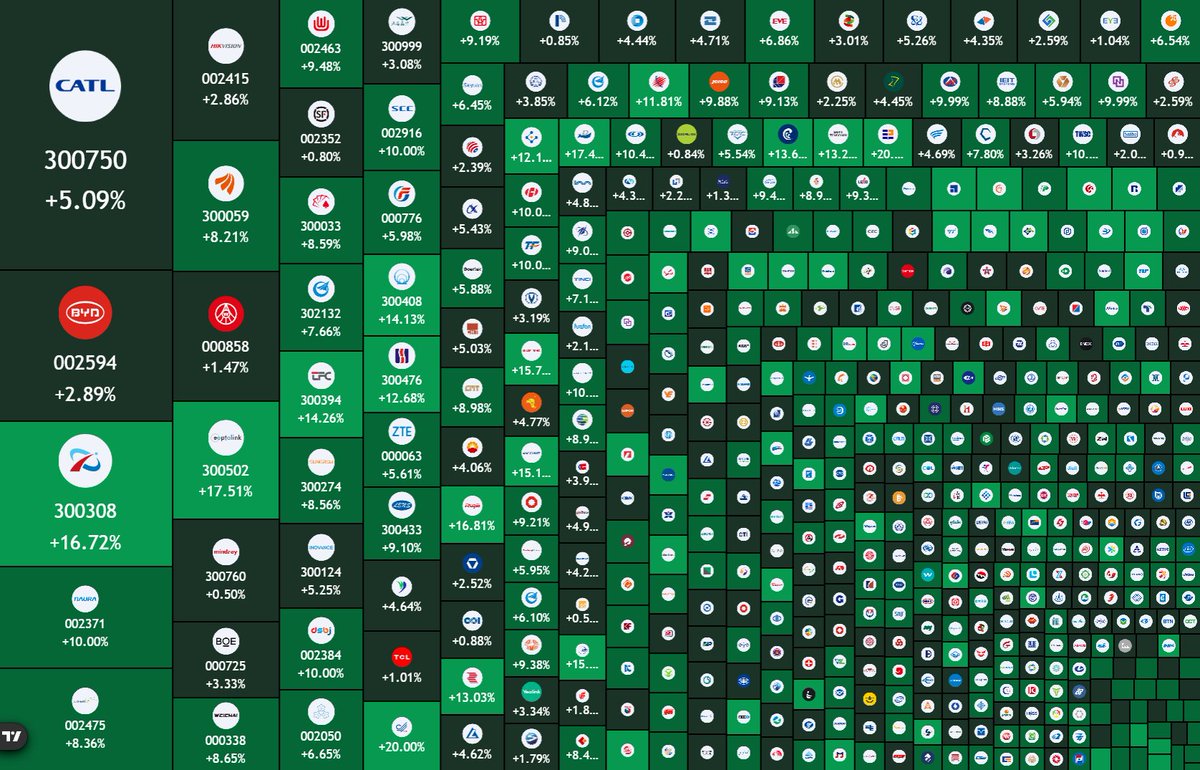
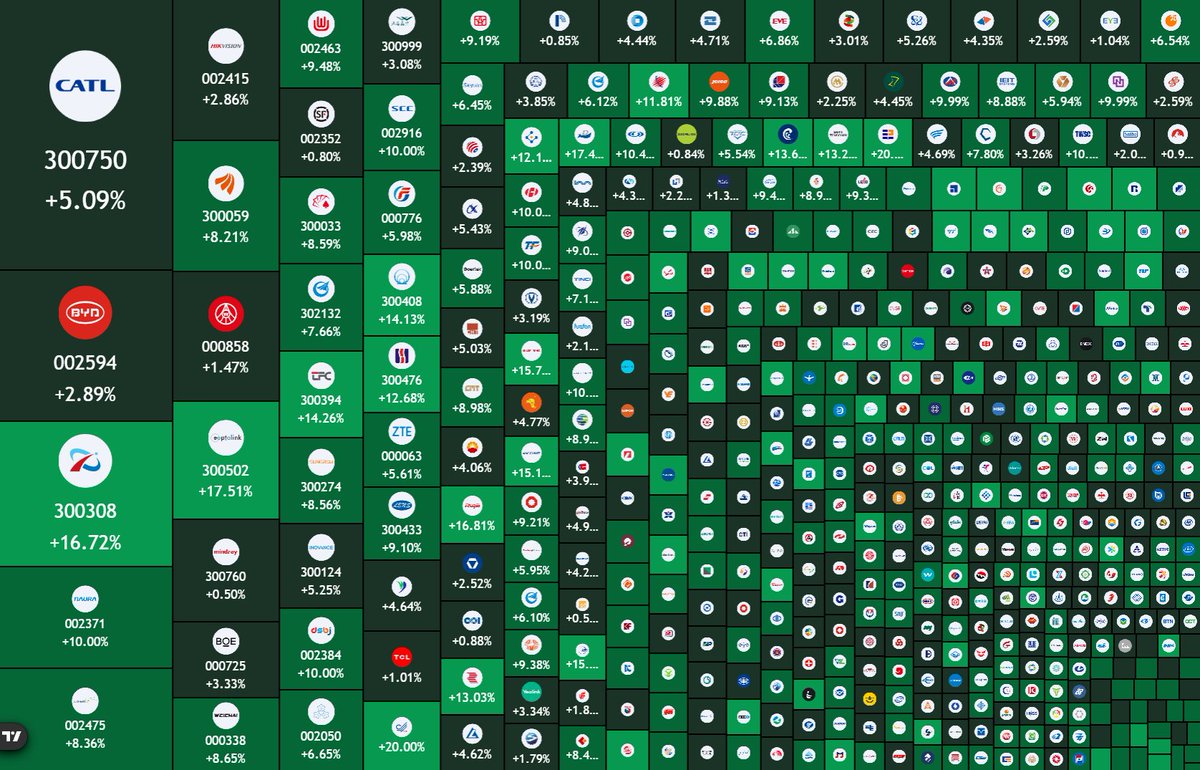
The Shanghai Composite closed 4.2% higher and the blue-chip CSI300 gained 3.7%. Both posted their biggest daily gains since October 2024, when Beijing rolled out a large stimulus package. The tech-focused STAR 50 index jumped 15%, its largest one-day rise in two years. The rally spread to Hong Kong too.Source: Reuters closing figures. Some social media posts quote slightly different numbers, likely from intraday readings. Shanghai Composite +4.2% , CSI300 +3.7%, STAR 50 +15%, Hang Seng +1.9%, Hang Seng Tech +6%
What Is China's "National Team"?
The "national team" is a group of state-backed investors that buy stocks and exchange-traded funds when markets come under stress. The idea is simple: when private buyers retreat, government-linked money fills the gap and calms sentiment. Central Huijin, the domestic arm of sovereign wealth fund China Investment Corp, is one of its core members.
Why Was the Market Falling?
Before Friday, Chinese stocks had slid to 16-month lows. Bloomberg data showed the market had lost about $3.5 trillion in value from its May peak, with trading volumes and margin borrowing both falling. Investors pointed to weak domestic demand, a long property downturn, and uncertainty from trade disputes and geopolitics. Policy easing earlier in the year had not been enough to turn sentiment around.
What Triggered the Surge?
Premier Li Qiang chaired a State Council meeting that called for a bigger role for national team investors. The cabinet said capital markets are crucial to the broader economy and that Central Huijin would act as a quasi-stabilisation fund to keep liquidity ample. It also called for policies to draw more long-term money into stocks. Analysts noted that such direct language from the State Council is rare. The last comparable moment was 2024.
The announcement followed weekend measures that eased margin lending rules and cut trading fees. Regulators also said they would tighten rules on share sales by controlling shareholders and guard against listings by so-called "pseudo-tech" companies.
Which Sectors Led the Rally?
Technology led by a wide margin. The CSI Semiconductor Industry Index and the STAR Chip Index each rose more than 17%. Indexes tracking AI, cloud computing and consumer electronics gained more than 10%. Trading volume surged after the midday break, which pointed to a sharp improvement in sentiment.
How the China Rally Affects Currency Pairs
Yuan (USD/CNH, USD/CNY). The yuan rose 0.1% against the dollar in offshore trading on Friday, reversing earlier weakness to reach its strongest level in three weeks. It is now close to its firmest level in four years. In general, when foreign money flows into Chinese equities, it can support the currency, though that link is not guaranteed.
AUD/USD and NZD/USD. The Australian and New Zealand dollars often trade as proxies for China's economic outlook because both countries export heavily to China. Risk-on sentiment from a Chinese rally can lift them. This is a typical pattern, not something confirmed by Friday's data, so check live prices.
USD/JPY and USD/CHF. A risk-on mood can reduce demand for safe havens like the yen and Swiss franc. Still, US rates and Federal Reserve expectations often outweigh China-driven moves in these pairs.
What to watch: whether national team buying continues, how offshore yuan (CNH) pricing behaves, and the direction of the US dollar.
Can the Rally Last?
Not everyone is convinced. Some analysts say it is too early to call a bottom, because support from the national team alone is unlikely to sustain a rally. One strategist distinguished between a turning point in policy resolve and a turning point in market fundamentals, arguing that a policy-induced bounce must become a fundamentals-driven recovery before it can be called durable. Earlier support-driven bounces this year, including in July and October, faded without lasting change.
The bull case is that Beijing has now shown stronger resolve than before. The bear case is that weak demand and the property slump are still unresolved.
Key Takeaways
Beijing's strongest signal yet of market support produced China's biggest rally in two years.
Technology and chip stocks led, with the STAR 50 up 15%.
The yuan strengthened, and China-sensitive currencies like AUD and NZD are worth watching.
Whether this is a bottom or a bounce depends on whether the economy backs up the policy push. Follow along for updates as the story develops.
This article is for information only and is not financial advice. Markets are volatile, so do your own research before making decisions.
Frequently asked questions
What is China's national team?
A group of state-backed investors, including Central Huijin, that buy stocks and ETFs to stabilize markets during sell-offs.
Why did the STAR 50 jump 15%?
Beijing's pledge of stronger market support, combined with heavy buying in chip and AI stocks after a deep sell-off.
How does the China rally affect AUD/USD?
The Australian dollar often tracks China's outlook, so a sustained rally can support it, though other factors like US rates can outweigh that.